
 English
  Spanish
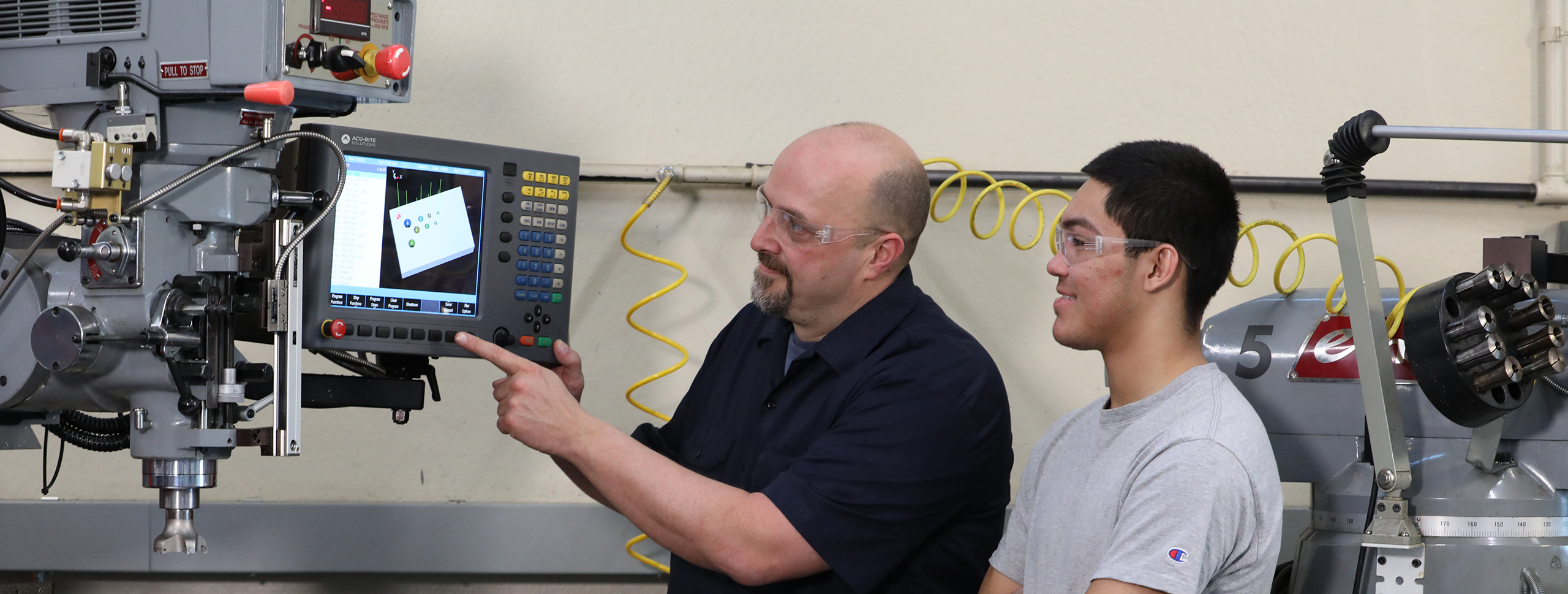
Manufacturing shops continue facing a familiar balancing act. Production expectations keep increasing, but budgets, labor availability, and equipment realities do not always change at the same pace. Many shops are still running machines that have produced reliable work for years, sometimes decades. Those machines are trusted, understood, and still fully capable of producing quality parts.
What often changes first is not the machine itself, but the workflow around it. Operators are expected to work faster. Setup efficiency matters more than ever. Experienced machinists are becoming harder to replace. Accuracy requirements continue tightening. Shops need practical ways to modernize without completely rebuilding their operations.
For many manufacturers, that modernization happens one machine at a time. This is where ACU-RITE SOLUTIONS continues helping shops bridge the gap between proven equipment and modern machining expectations.
Accuracy still starts at the machine
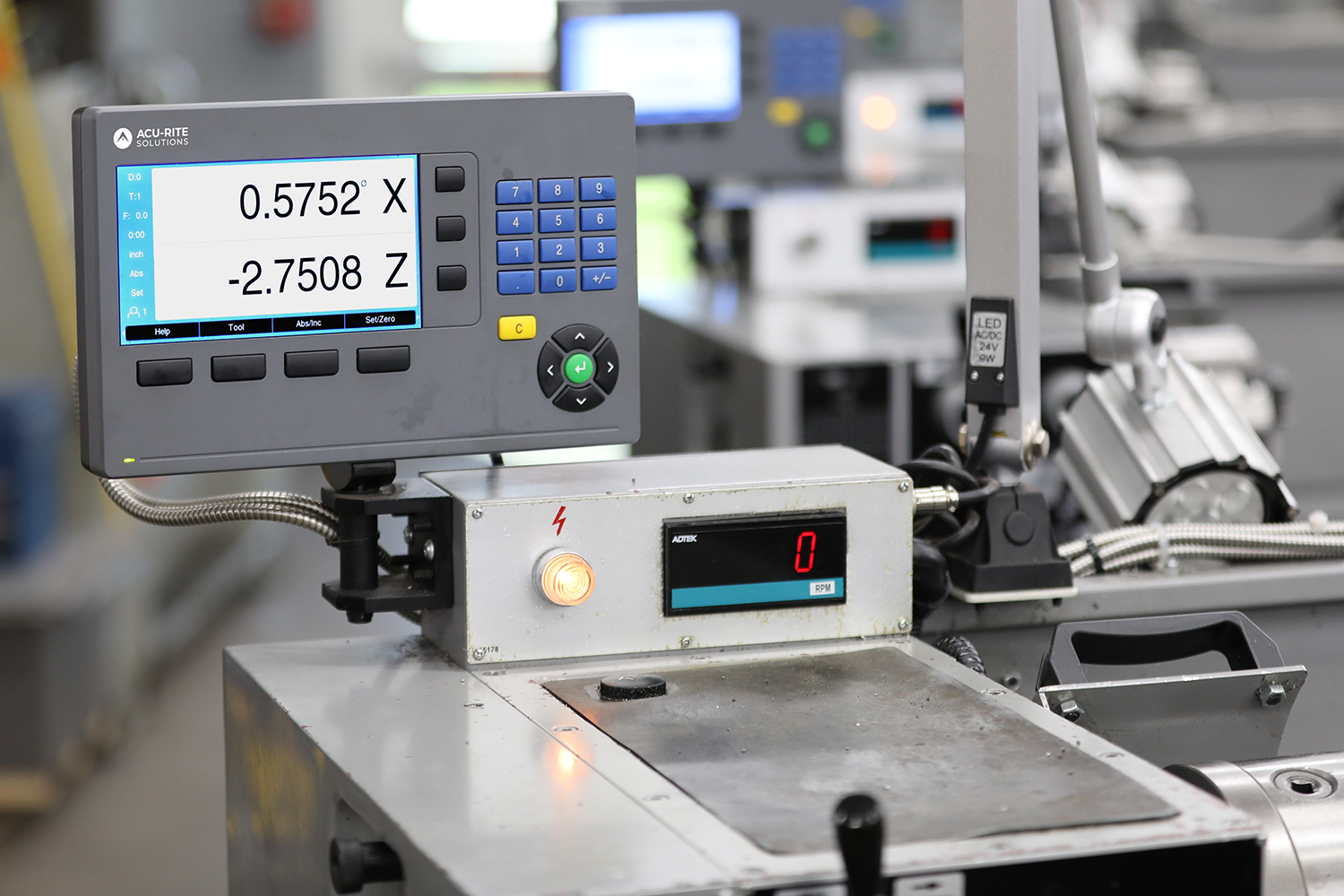
In many shops, productivity problems do not begin with major machine failures. They begin with small inconsistencies that accumulate over time. Manual positioning errors, repeated measurements, difficult setups, and operator guesswork can gradually slow production and affect confidence at the machine.
Digital readouts are designed to solve a simple but important challenge: helping operators know exactly where the machine is positioned at all times. Whether installed on a mill, lathe, grinder, inspection station, or other manual equipment, a DRO provides clear, real-time position feedback directly at the machine.
Instead of relying on counting handwheel rotations or manually tracking movement, machinists can focus more on making parts and less on verifying position. Reduced setup time, improved repeatability, and greater operator confidence often become noticeable benefits long before cycle times are measured.
For many shops, one of the most impactful improvements is not changing how a machine cuts material. It is changing how confidently an operator can use it.
Modernizing existing machines without replacing them
One of the most common misconceptions in manufacturing modernization is the belief that improving capability requires replacing entire machines. In reality, many manual mills and lathes still have years of productive life remaining.
What shops often need is a more modern way to interact with them. Technologies such as MILLPWRG2 and TURNPWR help bring conversational programming, improved workflows, enhanced displays, and updated machining capability to machines operators already know and trust.
This same approach is increasingly valuable in educational environments as well. Schools and training programs often rely on existing machine tools that remain mechanically sound but benefit from modern controls and workflows. Upgrading these machines allows students to gain experience with technology that better reflects today’s manufacturing environments while maximizing existing investments.
This becomes especially valuable for shops and schools managing legacy equipment, long-term installations, or machines that continue producing quality work despite aging controls.
Rather than forcing operators to abandon familiar equipment, retrofit technologies allow organizations to improve capability while continuing to leverage machines that remain mechanically reliable. For many manufacturers, modernization happens gradually through practical upgrades rather than complete replacement strategies.
One improved machine can often influence the workflow of an entire shop.
Supporting shops through the skills gap
The manufacturing labor shortage continues affecting shops across the industry. Experienced machinists are retiring. New operators are entering increasingly complex environments. Many shops are trying to maintain productivity while training the next generation at the same time.
This challenge has increased demand for technologies that are easier to learn, easier to operate, and better aligned with real shop-floor workflows.
Conversational programming systems such as MILLPWRG2 help simplify CNC operation by reducing barriers between manual machining and programmable capability. Operators can move into more advanced machining processes without requiring the same level of traditional G-code experience associated with more complex CNC environments.
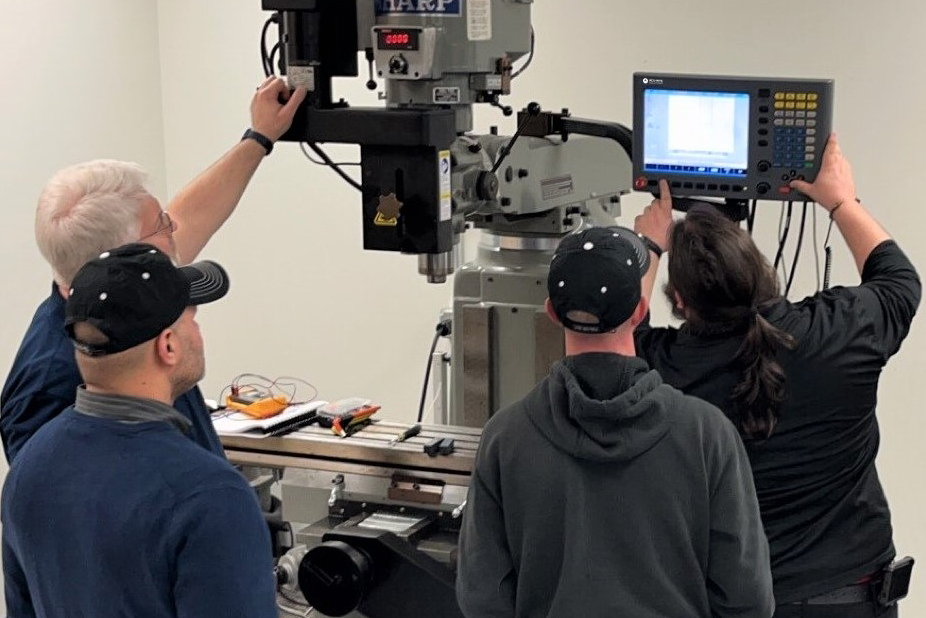
At the same time, ACU-RITE SOLUTIONS continues supporting manufacturing education directly through training initiatives and the School Discount Program, helping schools and training programs bring industry-ready technologies into classrooms and hands-on learning environments.
Preparing future machinists requires more than discussing manufacturing careers. It requires giving students meaningful experience with the types of tools they will encounter throughout the industry.
Downtime impacts more than the machine
When a machine stops producing, the effects reach beyond the machine itself. Production schedules tighten. Operators lose time. Shops fall behind on work. Smaller manufacturers in particular often depend heavily on a limited number of machines operating consistently every day.
That reality makes reliable service and support critically important. Alongside practical machining technologies, ACU-RITE SOLUTIONS supports customers through dedicated service and technical assistance designed to help shops keep machines productive and operations moving.
At the same time, modern DRO systems and conversational controls help reduce setup time, simplify operation, and improve day-to-day performance at the machine. Faster setups, improved repeatability, and reduced rework can create meaningful savings over time while helping operators get more productivity from existing equipment.
In many cases, improving uptime is not only about preventing failures. It is also about helping operators work more efficiently during normal production.
Automation looks different in every shop
Manufacturing conversations increasingly focus on automation, robotics, and connected production systems. But automation does not always begin with a fully integrated robotic cell. In many shops, it begins much earlier.
It starts with improving one setup. Reducing manual steps. Simplifying workflows. Increasing consistency. Modernizing existing equipment.
The parts supporting automated systems still need to be machined somewhere. Tooling, fixtures, brackets, housings, and prototype components continue relying on practical machining capability across thousands of shops every day.
ACU-RITE SOLUTIONS technologies support this layer of manufacturing by helping shops improve efficiency and bring more modern capability to existing equipment without requiring complete operational reinvention.
Automation may receive the spotlight, but practical modernization on the shop floor remains a major part of manufacturing progress itself.
ACU-RITE SOLUTIONS technology for real manufacturing environments
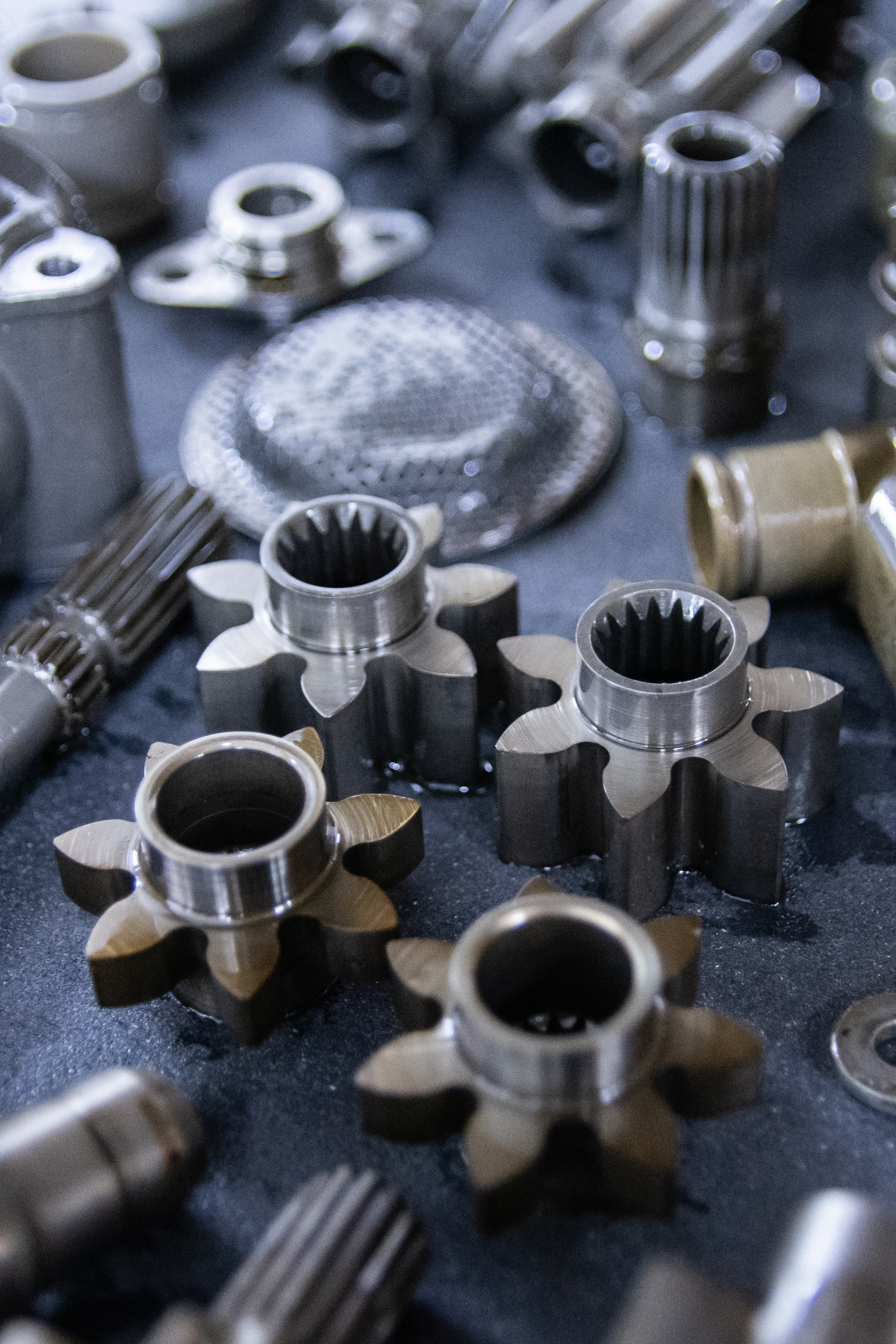
One challenge many manufacturers face is balancing the need for new capability with the reality of existing investments.
Machines, operators, and processes often remain productive for years, but changing production requirements can create demand for additional functionality, improved usability, or expanded application support.
Designed, manufactured, serviced, and supported in the United States, ACU-RITE SOLUTIONS technologies help manufacturers adapt to those changing requirements while continuing to get value from the equipment they already own.
That philosophy extends beyond controls and DRO systems. Products such as droPWR bring digital readout capability to an iPad platform, while accessories like the IOB 610 help expand machine functionality for specialized applications. For example, when paired with a DRO300, the IOB 610 can support sinker EDM control, allowing a single DRO platform to support milling, turning, grinding, and EDM applications.
Supported by a nationwide network of factory-trained channel partners and distribution professionals, ACU-RITE SOLUTIONS continues helping manufacturers find practical ways to extend capability, improve usability, and support long-term success on the shop floor.
Practical technology for real manufacturing environments
Not every shop needs the same solution. Some manufacturers require advanced CNC capability. Others want improved positioning accuracy on manual machines. Some are modernizing long-trusted equipment. Others are training new operators for the first time.
The common challenge behind all of these situations is finding practical ways to improve efficiency, consistency, and workflow without creating unnecessary complexity.
That is where ACU-RITE SOLUTIONS continues focusing its technologies and support.
Because for many shops, manufacturing progress does not happen all at once. It happens with one machine, one workflow, and one improvement at a time.


